
23 September 2026 · WT tent
The standard roof fabric for outdoor exhibition tents is PVC-coated polyester, characterized by waterproofing, flame retardancy, tear resistance, and reusability—making it suitable for a wide range of temporary exhibition settings. Based on light transmission properties, these fabrics fall into two main categories: translucent and blackout. Their distinct performance characteristics suit different exhibition scenarios, making this a key factor when selecting a tent.
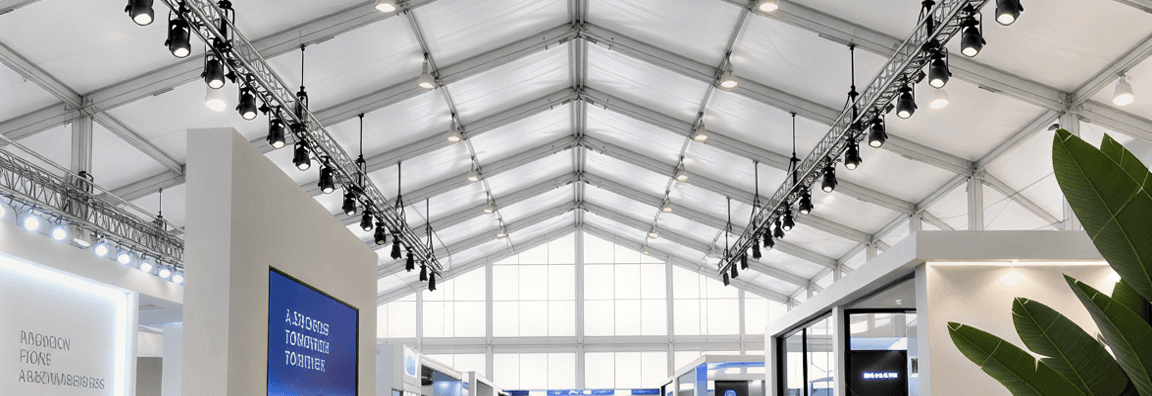
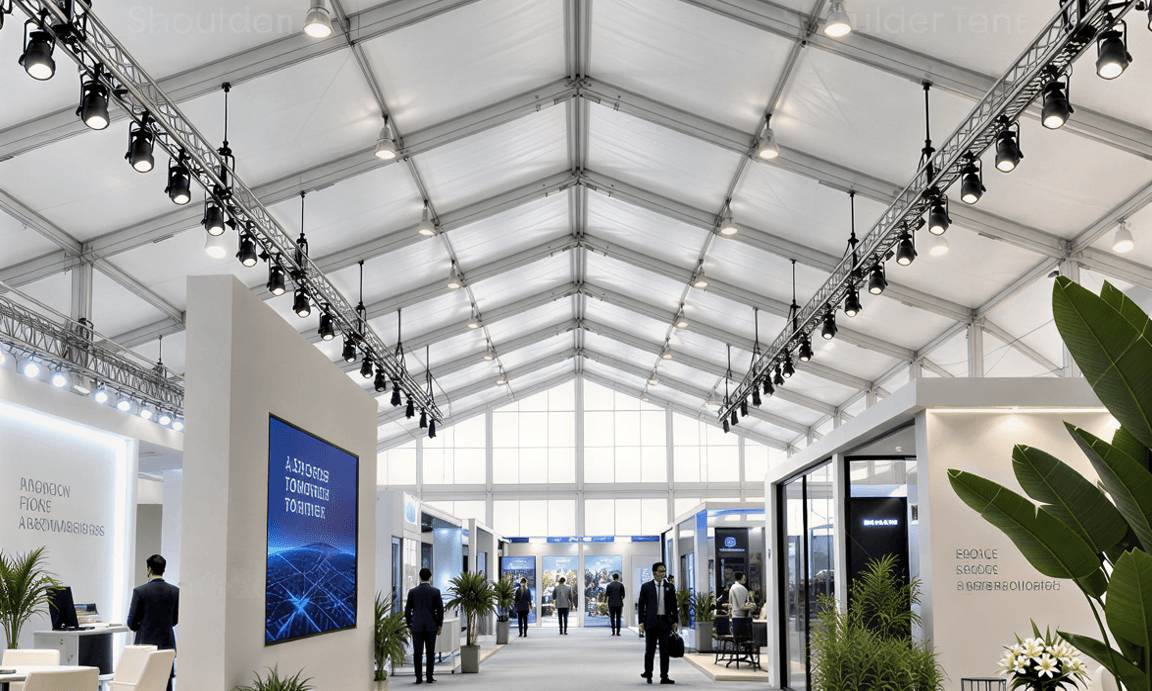
Translucent PVC fabric features a frosted, semi-transparent finish that admits soft, natural light without creating harsh glare or hotspots. Its primary advantage is an airy, open interior atmosphere; during the day, it significantly reduces the need for artificial lighting, thereby lowering electricity and setup costs. Additionally, the fabric is lighter, placing less load on the tent frame. However, it offers poor thermal insulation, leading to heat buildup on sunny days, and cannot eliminate light reflection issues. It is ideal for events such as agricultural expos, flower and gardening shows, creative markets, and outdoor opening ceremonies—settings that benefit from natural light and an open, inviting ambiance.
Blackout PVC fabric incorporates an internal black light-blocking layer, achieving total opacity and completely shutting out intense light and UV rays. Its greatest strength lies in superior thermal insulation and cooling; it prevents glare on screens and exhibits, protects light-sensitive items, and allows for precise control over interior lighting and shadows. The downside is the necessity for artificial lighting during the day, resulting in slightly higher operating costs. It is primarily suited for events such as auto shows, digital technology expos, art exhibitions, and high-end forums, meeting the requirements for sophisticated layouts, special lighting effects, and the protection of light-sensitive exhibits.