
28 September 2026 · WT tent
Choosing the wrong tent structure for a coal storage yard can lead to membrane tearing, water leakage, insufficient wind resistance, and dust seepage—or even compromise operational safety. Drawing on years of project implementation experience, we have compiled the five most common mistakes clients make during selection to help you avoid the "low-price trap."
Mistake 1: Assuming all tents are temporary structures unsuitable for large-scale coal storage
Many buyers assume tents are only for short-term use. In reality, industrial-grade coal storage tents undergo professional structural analysis and can be designed to meet local wind and snow load standards. When paired with thickened, weather-resistant membrane materials and maintained properly, they are suitable for long-term use. The key is ensuring the manufacturer provides a professional structural calculation report.
Mistake 2: Focusing solely on unit price while ignoring frame and membrane quality
Market quotes for tents vary widely, primarily due to differences in frame and membrane quality. Inferior membranes are prone to aging, chalking, and dust leakage, while thin-walled steel frames can easily corrode due to the gases found in coal yards. Given the high dust levels and corrosive environment of coal yards, priority should be given to anti-corrosion treated steel structures or high-strength aluminum alloy frames, along with PVDF-coated membranes.
Mistake 3: Focusing only on span width while ignoring space for internal equipment operations
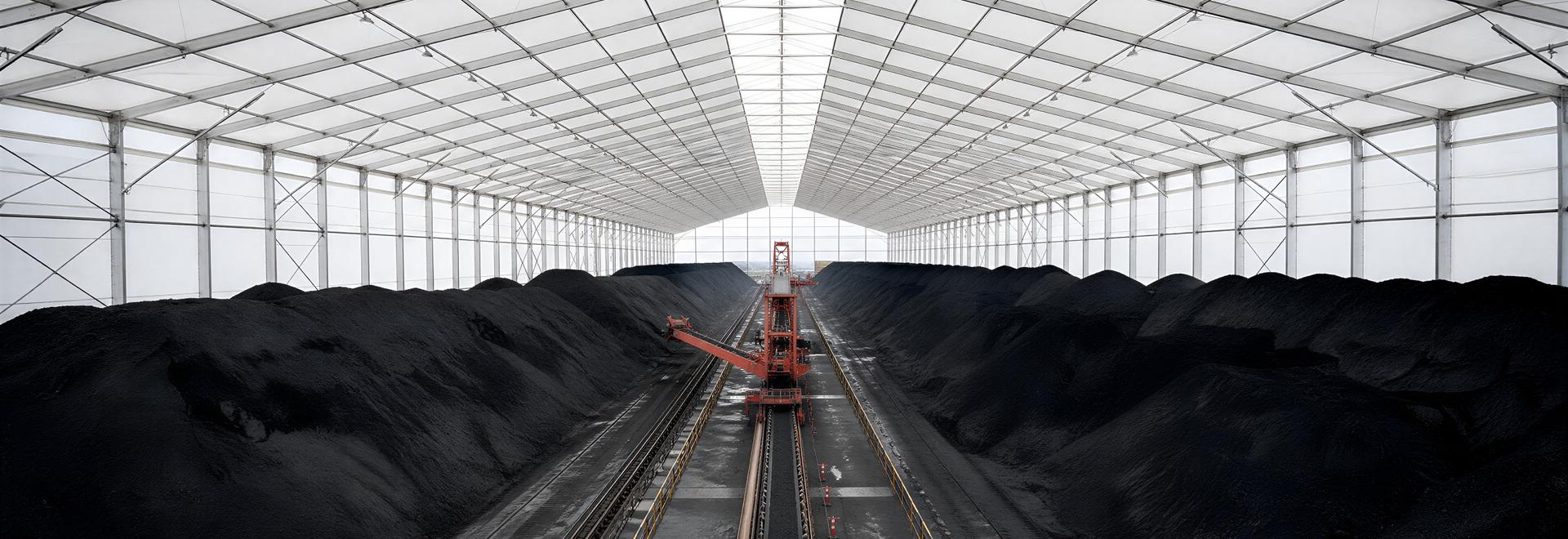
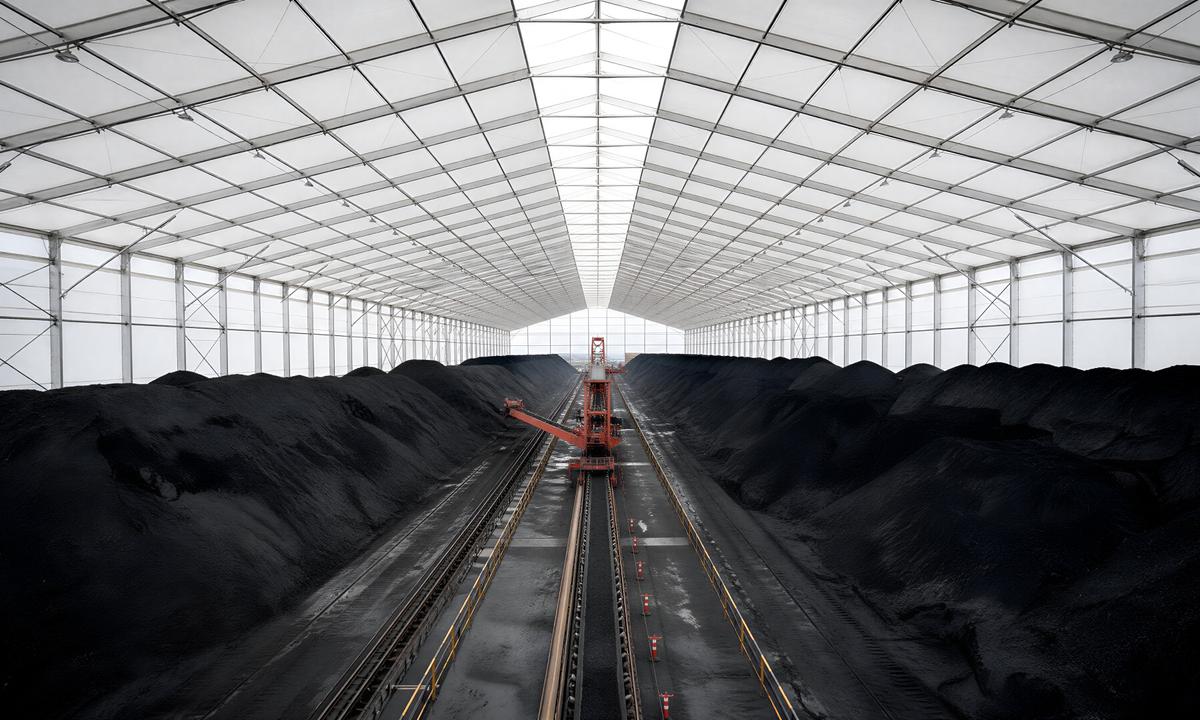
Coal storage tents must accommodate the movement of stackers and loaders. Some low-cost proposals prioritize span width but fail to leave sufficient safety clearance for equipment operation, resulting in support columns that interfere with loading and unloading. For coal yards, a column-free, wide-span design is preferable to ensure unrestricted internal stacking and reclaiming operations.
Mistake 4: Equating "enclosed" with "airtight" and neglecting ventilation and explosion-proof design
Fully enclosed coal yards often overlook the risk of spontaneous combustion in coal piles. The accumulation of gases and dust in a sealed space creates safety hazards. A proper coal storage tent solution requires integrated ventilation systems and monitoring points to balance dust control with ventilation safety; one should not blindly pursue a completely airtight seal.
Mistake 5: Believing installation is simple and can be handled by any tent manufacturer
Coal storage yards are industrial and mining environments; the structures required there are completely different from the tents used for events or celebrations. General tent manufacturers often lack experience with industrial and mining projects and are unfamiliar with environmental protection and safety regulations specific to coal storage yards. Priority should be given to suppliers with a proven track record of completed projects at coal or material storage sites who can provide comprehensive, one-stop services covering design, manufacturing, and installation.