
9 October 2026 · Project Insights · WT tent
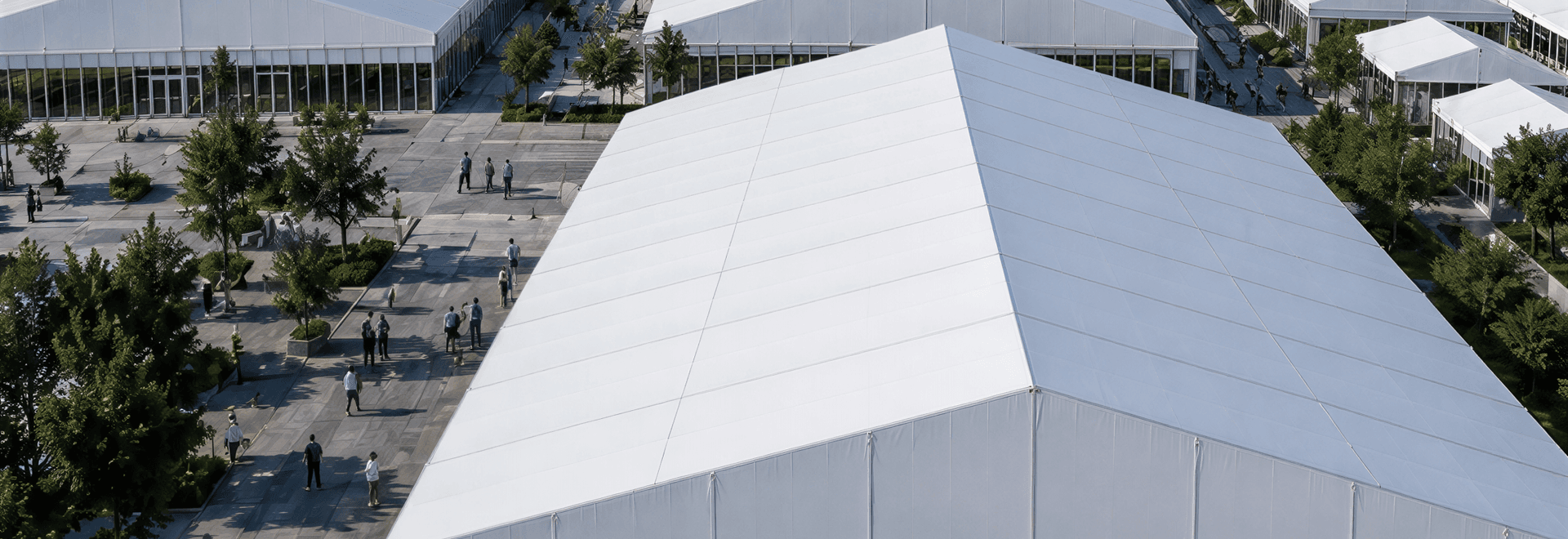
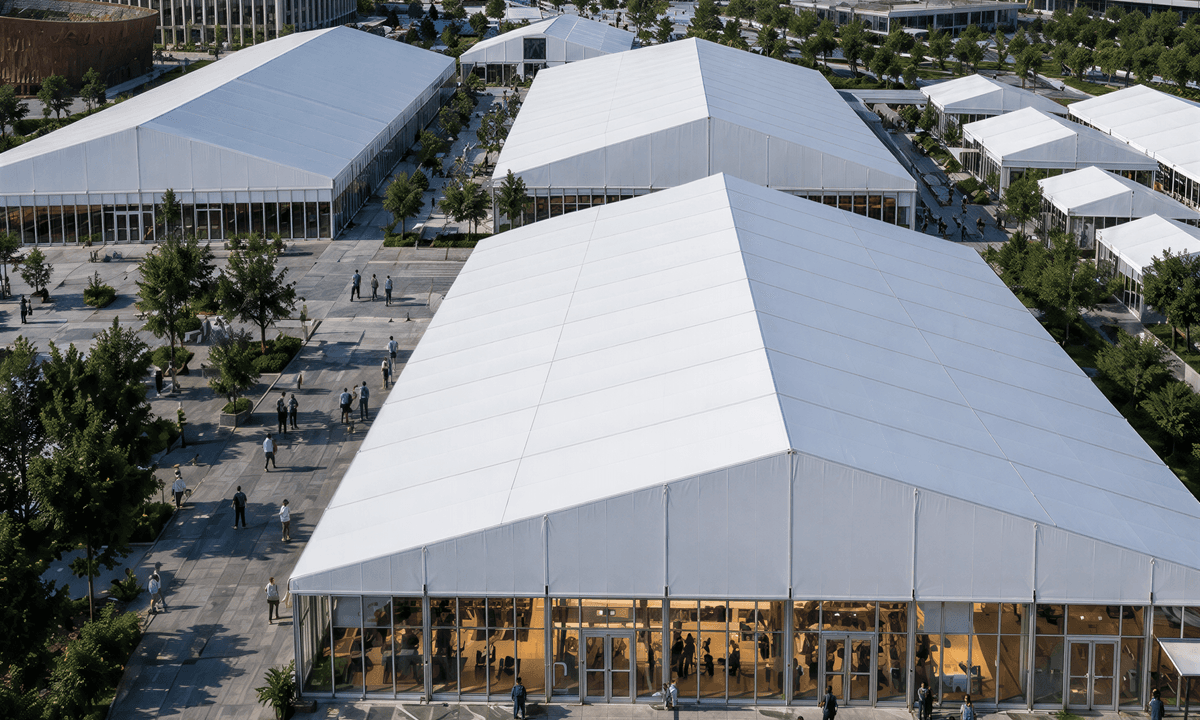
Organizers of festivals—such as beer festivals, carnivals, food fairs, and traditional temple fairs—often face venue-related challenges: fixed venues have tight schedules and size limitations, while open-air sites are highly susceptible to wind, rain, and scorching sun. Against this backdrop, large-scale modular tents have emerged as a popular and ideal solution for such events, offering a host of advantages.
First, they offer rapid assembly, perfectly suiting the short-term nature of festivals. These large tents feature a modular, prefabricated design; all components are manufactured in a factory, requiring only on-site assembly. A tent covering over a thousand square meters can be erected in just a few days. Since festivals are typically short-lived, the tents can be quickly dismantled and transported after the event. They require no civil engineering or complex infrastructure approval processes and avoid the waste associated with unused permanent buildings, thereby effectively controlling project costs.
Second, they provide flexible, expansive space with exceptional versatility. Tents can be customized for large spans without internal pillars, easily accommodating stages, food stalls, amusement rides, and audience seating. Modules—such as main tents, connecting corridors, reception areas, and storage tents—can be freely combined according to the event plan, and the structures can be installed on various surfaces, including lawns, plazas, and parking lots. The open interior facilitates functional zoning, allowing for the easy creation of performance areas, photo-op spots, and leisure zones. Furthermore, the interior and exterior can be enhanced with printed graphics, decorative lighting, and themed installations to quickly create a vibrant festive atmosphere.
Third, they offer strong weather resistance, mitigating the risks posed by the elements. A major concern for outdoor festivals is that sudden weather changes might disrupt the schedule. Standard large tents feature waterproof and sun-resistant roofing, with options to add side curtains, ventilation, air conditioning, and drainage systems as needed. They provide shade and airflow during the scorching summer and keep the venue dry during rainy weather. Additionally, structural reinforcements can be applied based on local wind conditions to minimize weather-related interference and ensure the festival proceeds smoothly.
Safety, regulatory compliance, and a wide range of supporting facilities are also key highlights. Large-scale, professional-grade marquees undergo rigorous structural analysis to meet load-bearing standards for high-density crowds; they facilitate the planning of fire lanes and emergency exits, thereby streamlining the event approval process. Optional features—such as solid wall panels, glass facades, lighting systems, power outlets, and security checkpoints—can be integrated to create either an open, airy carnival atmosphere or a fully enclosed space, balancing aesthetic appeal with practicality.
Furthermore, these marquees are designed for repeated assembly and disassembly, making them an eco-friendly choice. With detachable aluminum alloy frames and PVC covers, they can be easily transported from one event site to another. This process generates virtually no construction waste, resulting in a significantly lower carbon footprint compared to traditional temporary construction methods.
From beer festivals to cultural carnivals, an increasing number of festive events are utilizing large marquees as their venue of choice. Their flexibility, efficiency, safety, and reusability allow organizers to transcend the limitations of traditional venues, unlocking new creative possibilities for event planning.