
8 October 2026 · Tent Ideas · WT tent
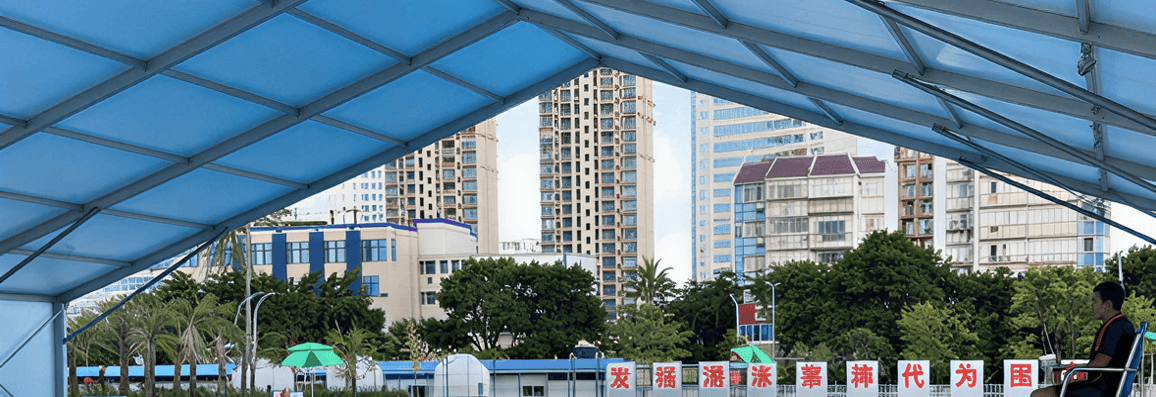
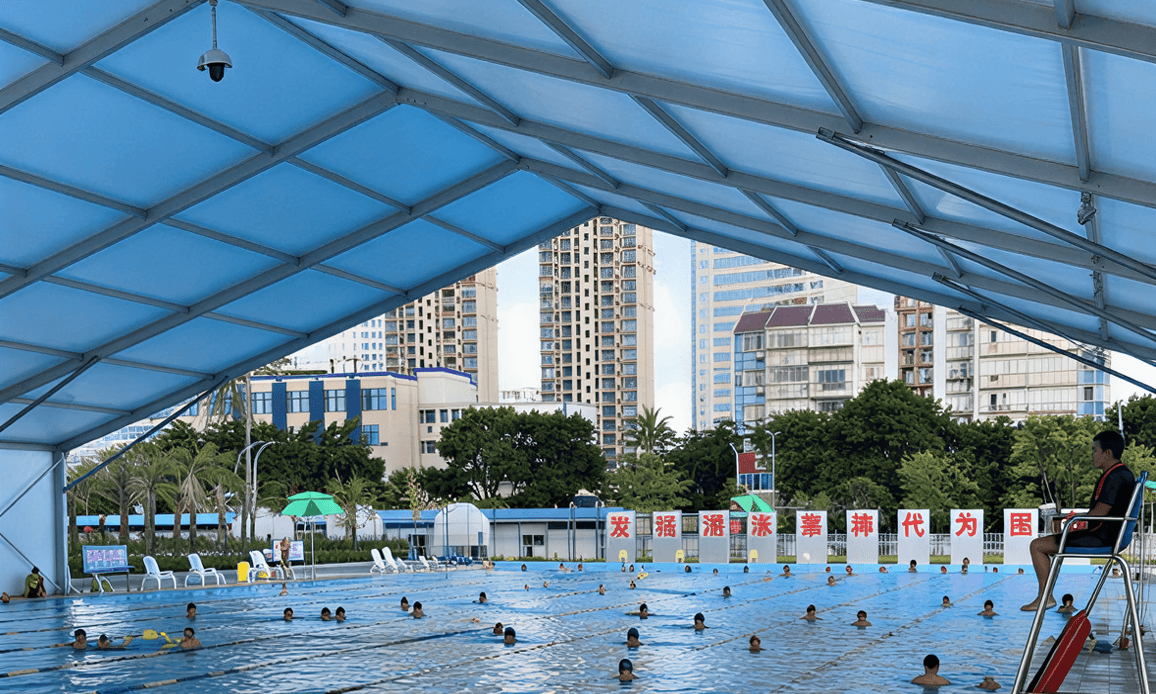
For outdoor pool operators, the biggest pain points are the boom-and-bust cycle—packed during peak season and idle during the off-season—and a heavy reliance on the weather. True, stable operation is often limited to just two or three months a year; the rest of the time, facilities sit empty and incur costs due to closures caused by scorching sun or rain, leading to highly unstable revenue. If you want to stop relying on the weather for your bottom line, a modular pool enclosure offers the most cost-effective upgrade. Without the need for major civil engineering work, you can transform an open-air pool into a "quasi-indoor" facility, effectively extending the operating season, lowering maintenance costs, and boosting membership renewals and revenue per square meter.
Break Free from Seasonal and Weather Constraints to Extend Operating Hours
The biggest financial drain for outdoor pools is the short operating window and frequent, unexpected closures. High winds, heavy rain, extreme heat, or sudden temperature drops can force a shutdown, resulting not only in lost daily foot traffic but also in member churn and refund disputes. Installing a pool enclosure ensures operations continue regardless of wind or rain. A combination of waterproof, wind-resistant membrane fabric and a sturdy aluminum alloy frame eliminates the need for temporary closures. Thermal insulation materials help retain heat in early spring and late autumn while blocking heat and providing shade in summer, thereby extending the operating season. It also enables regular night sessions, attracting office workers and students, and turning previously idle time into a source of additional revenue.
Enhance the Experience and Boost Revenue from Memberships, Training, and Events
When choosing a pool, users increasingly prioritize safety, comfort, and consistency. Glaring sunlight, falling leaves and dust, and choppy water caused by wind have long been reasons why parents hesitate to sign up for lessons and users avoid purchasing memberships. The enclosure effectively blocks UV rays, keeps out dust and debris, and shields the water from wind and waves. This results in cleaner water and a more comfortable swimming experience—ideal for children's training and family-oriented customers—leading to significantly higher course enrollment and membership renewal rates.
Reducing Costs and Boosting Efficiency: Less Water Replacement, Fewer Chemicals, Reduced Labor
Outdoor pools entail significant hidden costs: rainwater disrupts water quality parameters, while falling leaves and debris accelerate water degradation—necessitating frequent chemical dosing, constant filtration, and daily manual cleaning. Intense heat and sun exposure cause rapid evaporation and heat loss, keeping water, chemical, energy, and labor costs high.Installing a pool enclosure provides "all-weather protection," curbing pollution and evaporation at the source. This stabilizes water quality and significantly reduces chemical usage, equipment runtimes, and cleaning workloads, effectively lowering annual O&M costs and turning potential losses into profits.
Low Investment and Reusability: A Better Fit for Private Pools than Permanent Structures
Traditional indoor facilities involve high construction costs, long timelines, complex approval processes, and immobility—burdens that most pool operators cannot shoulder. In contrast, pool enclosures are prefabricated, temporary structures that offer rapid assembly, short deployment cycles, and simplified permitting, with initial investments far lower than permanent construction. Their greatest advantage lies in their modularity and portability; they can be dismantled, relocated, and reused, offering superior asset retention. This makes them ideal for "lightweight" upgrades at tourist attractions, residential complexes, sports venues, and training centers.
Pool enclosures offer more than just shelter from the elements; they provide a low-cost, practical solution for year-round operations. They liberate outdoor pools from seasonal and weather constraints, extending operating hours, stabilizing visitor flow and revenue, minimizing O&M losses, and diversifying profit streams. For today’s pool operators, this upgrade is key to enhancing quality and efficiency, breaking free from cutthroat competition, and achieving year-round profitability.